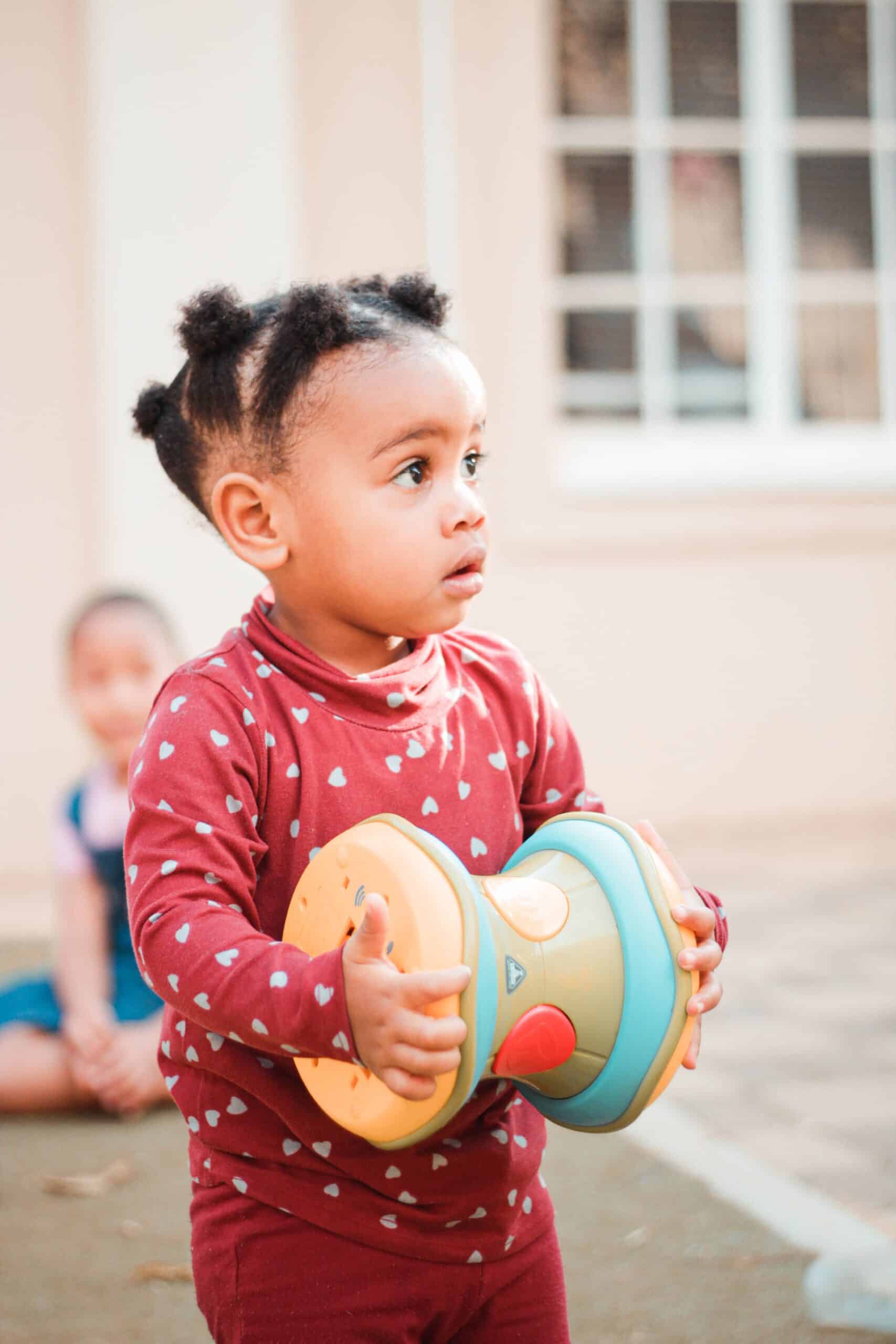
Understanding whether your child is left-handed can help you provide the right support, tools, and encouragement as they grow. While hand dominance typically becomes clear between ages 3 and 6, attentive parents can often spot early indicators much sooner. Roughly 10% of the global population is left-handed, and recognizing the signs early allows you to nurture your child’s natural tendencies without unnecessary intervention. Below are seven key signs that may indicate your little one favors their left hand.
1. Consistent Left-Hand Reaching During Infancy
One of the earliest clues appears when your baby begins reaching for toys, food, or objects. While infants under six months often use both hands interchangeably, you may notice a developing preference as they approach their first birthday.
A left-handed child will frequently extend their left hand first when grabbing a rattle, reaching for a bottle, or exploring nearby items. This consistent reaching pattern, observed repeatedly over weeks, can signal an emerging dominance.
However, parents should be cautious about drawing conclusions too early. Babies naturally experiment with both hands, and true dominance isn’t fully established until later. If you notice your child overwhelmingly favoring the left hand across multiple activities, it’s worth taking note. Keep a mental log of which hand they reach with during feeding, play, and self-soothing behaviors to identify genuine patterns rather than random preferences.
2. Preference for the Left Hand When Eating
Mealtimes offer excellent opportunities to observe hand dominance. As your toddler transitions to self-feeding, watch which hand they instinctively use to hold a spoon, grasp finger foods, or pick up a sippy cup.
Left-handed children typically gravitate toward their left hand when scooping food or bringing snacks to their mouth. You might notice them switching utensils from their right hand to their left, even after you’ve placed the spoon in their dominant-seeming hand.
This behavior becomes more pronounced around 18 months to 2 years. Avoid the temptation to “correct” your child by forcing the spoon into their right hand—doing so can create confusion and frustration. Instead, allow them to choose naturally. Consistent left-hand use during meals over several months is a strong indicator that your child may be developing left-handed dominance.
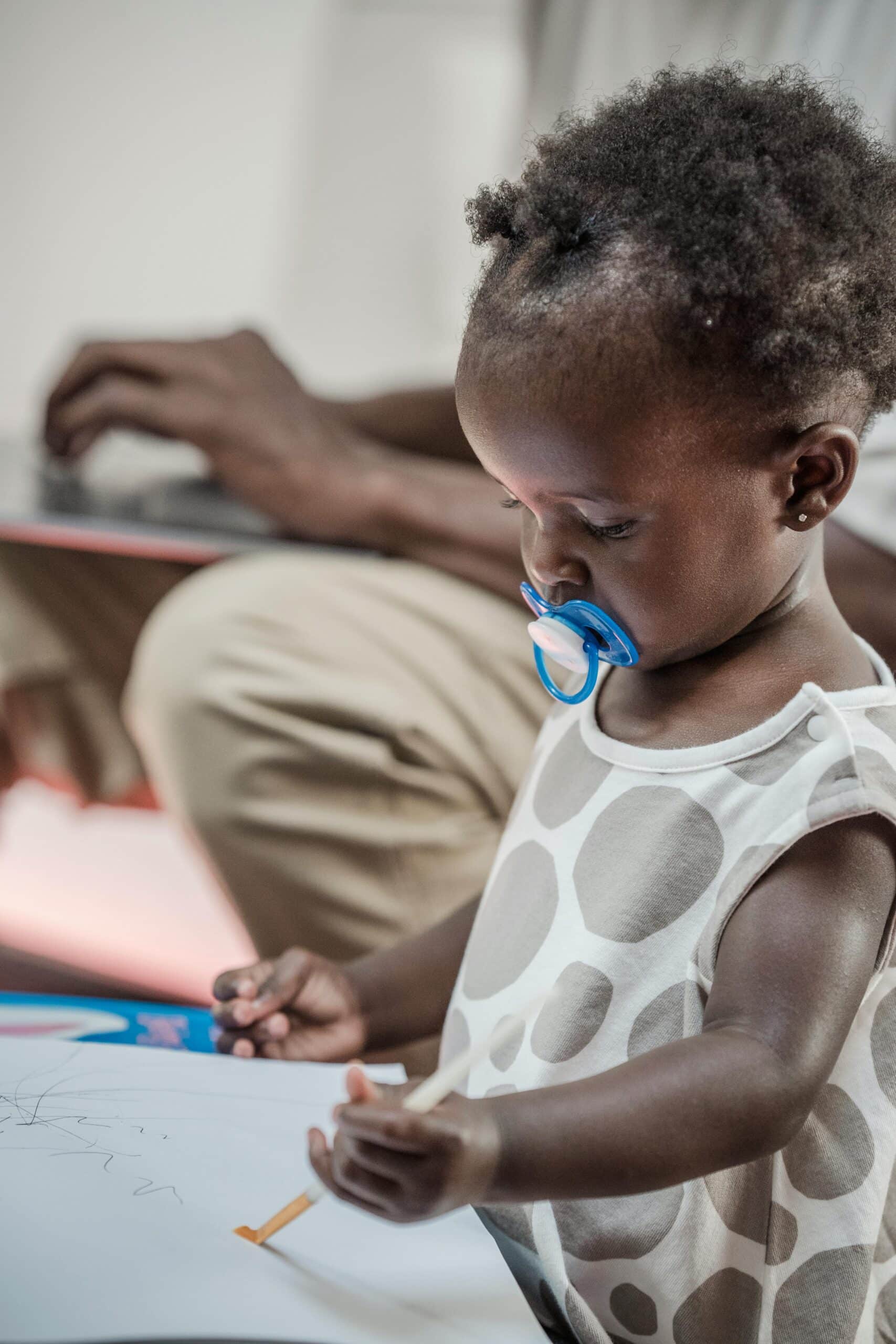
3. Drawing and Scribbling With the Left Hand
When your child first picks up a crayon, marker, or pencil, pay close attention to which hand they choose. Early artistic exploration reveals valuable information about hand preference.
A left-handed child will repeatedly select their left hand for scribbling, coloring, and drawing. You may also notice they position the paper differently, often tilting it clockwise to accommodate their natural writing angle. Their strokes might move from right to left, which differs from right-handed peers.
To test this naturally, place the crayon directly in the center of the table rather than handing it to one specific hand. This allows your child to reach with their preferred hand without bias. If they consistently choose the left hand and demonstrate better control and coordination with it, this strongly suggests left-handedness. Repeated observation across multiple drawing sessions provides the clearest picture.
4. Using the Left Hand for Precise Tasks
Hand dominance often becomes most apparent during activities requiring fine motor skills and precision. Tasks like stacking blocks, threading beads, turning pages, or fitting puzzle pieces reveal which hand your child trusts for delicate work.
Left-handed children typically use their left hand as the “leading” hand for these precise activities, while the right hand provides support or stabilization. For example, when building a tower, they’ll place blocks using their left hand. When opening containers, they’ll manipulate the lid with their left while holding steady with the right.
This division of labor between hands—where the left dominates fine control—is one of the most reliable signs of left-handedness. The dominant hand naturally handles tasks requiring accuracy and dexterity, while the non-dominant hand assists. Observing this pattern during play offers compelling evidence of your child’s developing dominance.
5. Kicking and Throwing With the Left Side
Hand dominance often correlates with overall body-side preference, including which foot your child uses to kick and which arm they use to throw. This is sometimes called “lateralization,” where one side of the body becomes dominant.
Watch your child during physical play. A left-handed child frequently throws balls with their left arm and kicks with their left foot. They may also lead with their left side when climbing, hopping, or engaging in sports-like activities.
This whole-body preference reflects how the brain organizes motor functions. While not every left-handed person is left-footed, there’s often significant overlap. If you notice your child consistently favoring their left side during active play—throwing, kicking, and balancing—it reinforces the likelihood of left-hand dominance. Observe these tendencies during outdoor play and sports activities for the most accurate assessment.
6. Difficulty With Right-Handed Tools and Objects
Many everyday tools are designed for right-handed users, which can create noticeable challenges for left-handed children. Scissors, can openers, spiral notebooks, and certain utensils favor right-handed operation.
If your child struggles with right-handed scissors—cutting crookedly or holding them awkwardly—they may be left-handed. You might observe frustration during craft activities, with your child flipping objects around or repositioning them to make tasks easier. They may turn books to read from unconventional angles or hold tools in ways that seem backward to right-handed parents.
These struggles aren’t signs of poor coordination; they reflect a mismatch between right-handed designs and your child’s natural left-handed tendencies. Providing left-handed scissors and tools can dramatically improve their comfort and performance. If your child performs better with adapted left-handed equipment, this confirms their dominance and highlights the importance of appropriate tools.
7. Family History of Left-Handedness
Genetics play a significant role in determining hand dominance. While the exact inheritance pattern isn’t fully understood, research shows that left-handedness tends to run in families.
If one or both parents are left-handed, the likelihood of having a left-handed child increases considerably. Studies suggest that children with two left-handed parents have a notably higher chance of being left-handed compared to children of right-handed parents. Extended family history, including grandparents, aunts, and uncles, can also offer clues.
While family history alone doesn’t guarantee left-handedness, it provides important context when combined with behavioral observations. If you or your partner are left-handed and notice your child displaying several signs mentioned above, the genetic connection strengthens the likelihood. Understanding your family’s history of hand dominance can help you anticipate and support your child’s natural development.
Supporting Your Left-Handed Child
Once you’ve identified that your child is likely left-handed, focus on creating a supportive environment. Never attempt to force right-hand use, as this can cause emotional distress and developmental confusion. Instead, embrace their natural dominance with appropriate accommodations.
Invest in left-handed tools such as scissors, notebooks, and writing aids. Teach writing techniques suited to left-handed children, including proper paper positioning and pencil grip. When dining, seat your child so their left arm has space to move freely without bumping right-handed family members.
Celebrate your child’s uniqueness and reassure them that being left-handed is perfectly normal. Many talented artists, athletes, and leaders throughout history have been left-handed. By recognizing the signs early and providing thoughtful support, you empower your child to thrive with confidence.
When to Consult a Professional
Hand dominance usually solidifies between ages 3 and 6. If your child hasn’t established a clear preference by age 5, or if they switch hands frequently for the same tasks, consider consulting your pediatrician or an occupational therapist.
In rare cases, delayed or mixed hand dominance can signal underlying developmental concerns. A professional evaluation can rule out issues and provide guidance. Trust your instincts as a parent—you know your child best, and early observation combined with expert advice ensures your child receives the support they need to flourish naturally.