Why Left-Handed People Need Specialized Scissors
Most scissors are designed with right-handed users in mind, which creates a frustrating experience for the roughly 10% of the population who are left-handed. The issue isn’t just about comfort—it’s about function. In standard right-handed scissors, the upper blade sits on the right side, allowing right-handed users to naturally see their cutting line while applying inward pressure that keeps the blades tightly together.
When a left-handed person uses these same scissors, the dynamics reverse. The natural squeezing motion pushes the blades apart rather than together, causing the material to bend, fold, or fray instead of cutting cleanly. Additionally, the cutting line becomes obscured, forcing left-handed users to crane their necks or twist their wrists into awkward, fatiguing positions.
True left-handed scissors solve this by reversing the blade configuration. The upper blade sits on the left, ensuring clean cuts and clear visibility for southpaws. This small engineering change makes an enormous difference in precision, comfort, and overall results.
What to Look for in Left-Handed Scissors
Genuine Reversed Blades
The most critical feature is truly reversed blades—not just reversed handles. Many “ambidextrous” scissors only offer symmetrical handles while retaining right-handed blade orientation. Always verify that the blades themselves are reconfigured for left-handed cutting.
Comfortable Handle Design
Look for ergonomic handles with soft-grip materials or contoured finger holes. Since left-handed users often cut for extended periods, cushioned handles reduce hand fatigue and prevent blisters during heavy use.
Blade Material and Quality
Stainless steel blades offer durability and resistance to rust, while titanium-coated blades provide added strength and longevity. High-carbon steel delivers exceptional sharpness for precision tasks like sewing or crafting.
Appropriate Size and Purpose
Consider what you’ll use them for. Sewing scissors, kitchen shears, kids’ craft scissors, and general-purpose scissors each have different requirements regarding size, blade length, and tip sharpness.
Top Picks for Left-Handed Scissors
1. Fiskars Left-Handed Scissors (8-Inch)
Fiskars is a trusted name in cutting tools, and their left-handed model lives up to the reputation. Featuring genuinely reversed stainless steel blades and the iconic orange ergonomic handles, these scissors deliver clean, precise cuts for everyday tasks.
Best for: General-purpose use, crafting, office work
Key features: Reversed blades, comfortable molded handles, durable stainless steel, lifetime warranty
Why we love it: The combination of brand reliability, affordability, and true left-handed design makes this an ideal all-around choice for southpaws.
2. KAI 7250 Professional Left-Handed Shears
For serious sewers and quilters, the KAI 7250 offers professional-grade performance. These Japanese-engineered shears feature hardened stainless steel blades that maintain razor sharpness through countless cutting sessions.
Best for: Sewing, quilting, fabric cutting
Key features: Precision-ground reversed blades, smooth cutting action, lightweight construction
Why we love it: The exceptional sharpness glides through multiple fabric layers effortlessly, making detailed sewing projects significantly easier.
3. LIVINGO Premium Left-Handed Tailor Scissors
LIVINGO’s tailor scissors combine professional functionality with an attractive price point. The heavy-duty design includes a reinforced screw that allows for tension adjustment, ensuring smooth operation over time.
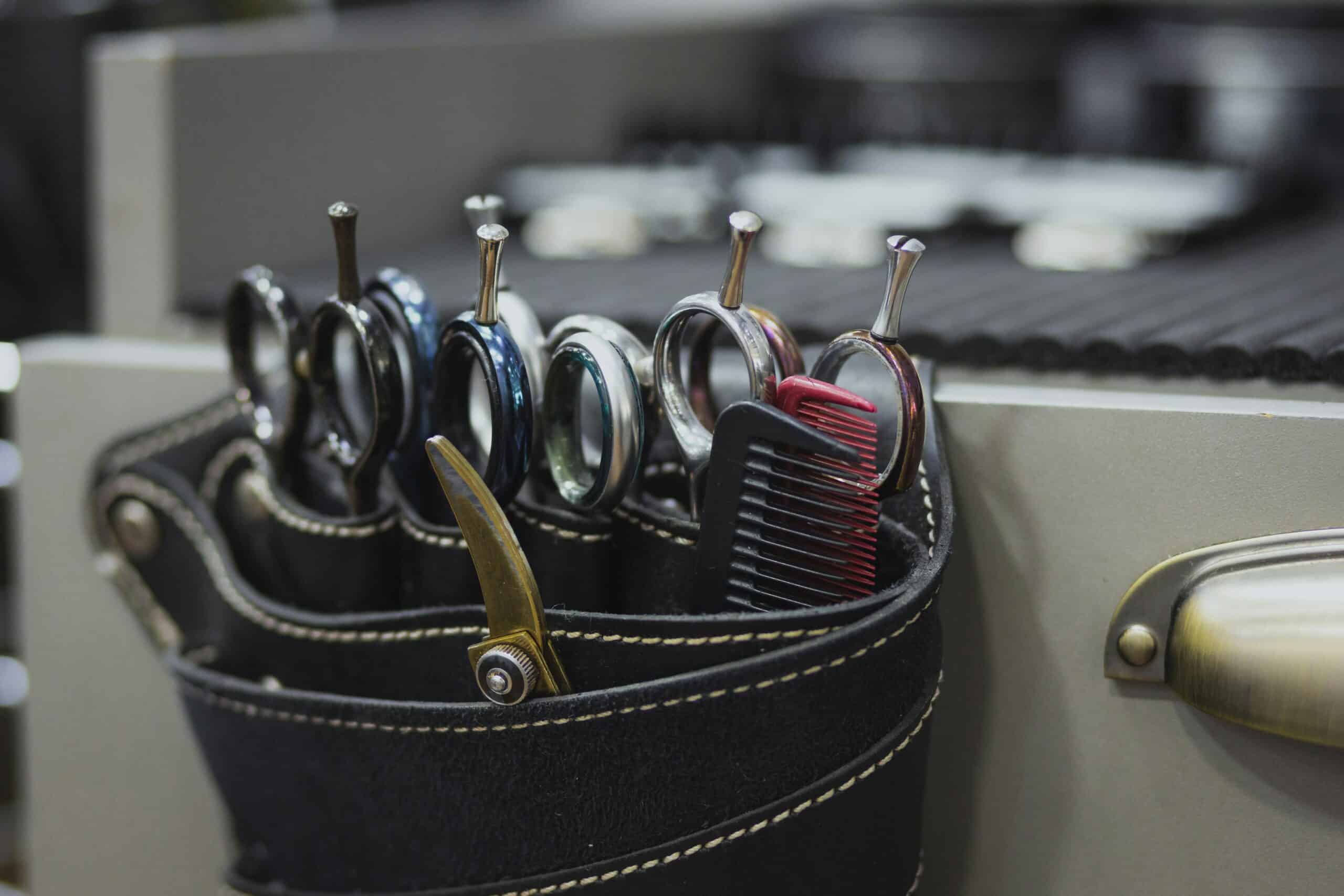
Best for: Tailoring, dressmaking, heavy fabrics
Key features: Adjustable tension screw, ergonomic handle, sharp stainless steel blades
Why we love it: The adjustability ensures these scissors perform consistently even after extended use, and the comfortable grip reduces hand strain.
4. Westcott Kids Left-Handed Scissors
Left-handed children deserve scissors designed for them, and Westcott delivers with these kid-friendly options. Available with blunt or pointed tips, they help young left-handers develop proper cutting skills without frustration.
Best for: Children, classroom use, beginner crafters
Key features: Reversed blades, safety tips, small ergonomic handles, durable construction
Why we love it: Teaching left-handed kids with proper tools builds confidence and prevents the bad habits that come from struggling with right-handed scissors.
5. ZWILLING Twin Left-Handed Kitchen Shears
For the kitchen, ZWILLING offers premium German-engineered shears built for left-handed cooks. These versatile shears handle everything from herbs to poultry with ease and include a built-in bottle opener and nutcracker.
Best for: Kitchen tasks, food preparation
Key features: Reversed blades, multi-functional design, dishwasher-safe, micro-serrated edge
Why we love it: Left-handed cooks finally get kitchen shears that cut cleanly without slipping or crushing food.
6. Mundial Classic Forged Left-Handed Scissors
Mundial’s forged scissors offer old-world craftsmanship at a reasonable price. The nickel-plated, hot-drop-forged steel blades provide durability and clean cutting for a wide range of materials.
Best for: Sewing, crafting, general use
Key features: Hot-drop-forged steel, reversed blades, smooth nickel finish
Why we love it: The traditional construction ensures these scissors will last for years while maintaining excellent cutting performance.
Tips for Caring for Your Left-Handed Scissors
To maximize the lifespan and performance of your scissors, follow these maintenance practices:
- Keep them dedicated: Use fabric scissors only for fabric and paper scissors only for paper. Cutting paper with fabric shears dulls them quickly.
- Clean regularly: Wipe blades with a dry cloth after use to remove lint, residue, and moisture that can cause rust.
- Oil the pivot: Apply a drop of sewing machine oil to the pivot screw occasionally to maintain smooth action.
- Store properly: Keep scissors in a dry location, ideally in a protective sheath or case to protect the blade tips.
- Sharpen when needed: Have quality scissors professionally sharpened rather than replacing them when they dull.
Common Mistakes Left-Handed Users Make
Many left-handed people unknowingly adapt to right-handed scissors, developing awkward cutting techniques that cause hand fatigue and poor results. If you’ve spent years compensating for right-handed tools, switching to genuine left-handed scissors may feel strange initially—but persist. Your cuts will become cleaner and your hands more comfortable.
Another frequent error is purchasing “ambidextrous” scissors believing they’re fully left-friendly. As mentioned earlier, these often retain right-handed blade orientation. Always confirm the blade configuration before buying.
Frequently Asked Questions
Can left-handed people use right-handed scissors?
They can, but it requires awkward adjustments that reduce precision and cause discomfort. The blades tend to separate rather than meet, leading to bent or torn material.
Are left-handed scissors more expensive?
Generally, prices are comparable to right-handed equivalents, though specialized professional models may cost more due to their precision engineering.
How can I tell if scissors are truly left-handed?
Hold them in your left hand in cutting position. With genuine left-handed scissors, the upper blade will be on the left, and you’ll clearly see your cutting line.
Do left-handed scissors work for right-handed people?
Not effectively—the same blade-separation problems occur in reverse, making them impractical for right-handed users.
Choosing the right left-handed scissors transforms cutting from a frustrating chore into an effortless task. Whether you’re sewing, crafting, cooking, or teaching a child, investing in tools designed specifically for your dominant hand pays off in comfort, precision, and lasting satisfaction.