Why Proper Desk Posture Matters for Left-Handed Children
Left-handed children face unique challenges in a world designed predominantly for right-handed people. From scissors to spiral notebooks, everyday tools often work against them. One of the most overlooked issues is how they sit and position themselves at a desk. Poor posture and incorrect setup can lead to discomfort, smudged work, fatigue, and even long-term musculoskeletal strain.
Helping your left-handed child develop proper desk habits early sets the foundation for comfortable, confident learning. The right adjustments can improve handwriting, reduce frustration, and protect their physical health as they grow.
Understanding the Unique Needs of Left-Handed Children
When writing, left-handed children move their hand from left to right across the page, often dragging their hand over freshly written words. This causes smudging and prompts many lefties to adopt awkward “hook” positions to see what they’re writing. These compensations frequently translate into poor sitting posture.
Recognizing these challenges helps parents make targeted adjustments rather than expecting a left-handed child to simply adapt to right-handed norms. Small, thoughtful changes can dramatically improve their daily experience.
Setting Up the Ideal Desk Position
Choose the Right Seating Arrangement
When your child shares a desk or sits in a classroom, positioning matters. A left-handed child should sit on the left side of a right-handed child. This prevents their elbows from bumping during writing and gives the left arm room to move freely.
At home, ensure the desk is placed so natural light comes from the right side. This positioning prevents the writing hand from casting shadows over the work, a common problem for lefties who write with light coming from the left.
Adjust Desk and Chair Height
Proper ergonomics start with correct furniture height. Your child’s feet should rest flat on the floor, with knees bent at roughly a 90-degree angle. If their feet dangle, use a footrest or sturdy box for support.
The desk surface should sit at about elbow height when your child is seated upright. When they place their forearms on the desk, their shoulders should remain relaxed, not hunched or raised. An adjustable chair and desk are ideal as your child grows.
Teaching Correct Body Posture
The Foundation: Back and Hips
Encourage your child to sit with their back straight and bottom pushed toward the back of the chair. The natural curve of the spine should be supported, and a small cushion can help younger children maintain this position. Avoid slouching, which strains the neck and shoulders.
Positioning the Arms and Elbows
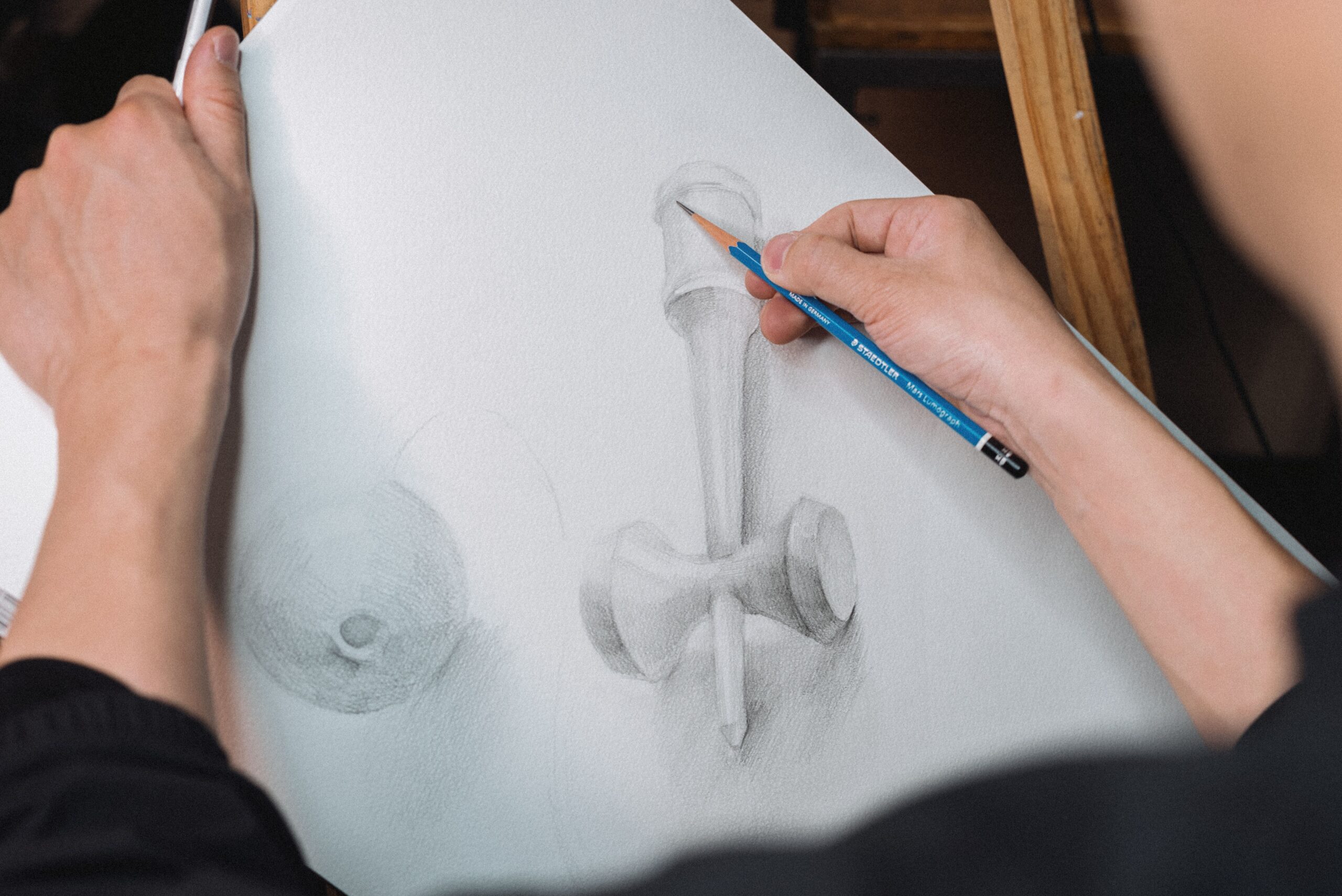
For left-handed writers, the left arm needs space to move. Teach your child to keep their forearm resting comfortably on the desk with the elbow slightly off the edge or near it. The non-writing right hand should hold and steady the paper, anchoring it in place.
Head and Neck Alignment
Your child’s head should remain relatively upright, tilted only slightly forward. Excessive bending leads to neck pain and eye strain. If your child consistently bends very close to the page, it may indicate vision issues worth investigating with an eye specialist.
Optimizing Paper Position for Lefties
Paper placement is critical for left-handed children and directly affects posture. Unlike right-handed writers who tilt paper to the left, left-handed children should:
- Tilt the paper clockwise, with the top-right corner higher than the top-left.
- Position the paper to the left of their body’s center, allowing the hand to move naturally without twisting the wrist.
- Aim for a tilt of about 30 to 45 degrees, adjusting based on comfort.
This positioning allows your child to see their writing without hooking their wrist or hunching over the desk. It also reduces smudging, one of the biggest frustrations for left-handed children.
Choosing the Right Writing Tools
The right supplies make a noticeable difference in posture and comfort.
Pens and Pencils
Quick-drying or gel pens reduce smudging, encouraging your child to maintain a natural hand position rather than hooking to avoid wet ink. Pencils with smooth graphite also help. Look for pencils and pens with ergonomic grips designed for relaxed holding.
Specialized Grips
Left-handed pencil grips guide proper finger placement and reduce the tendency to grip too tightly. A relaxed grip supports better overall posture and prevents hand fatigue.
Left-Handed Supplies
Consider left-handed scissors, rulers with right-to-left measurements, and spiral notebooks that open the other way. These tools reduce the need for awkward body twisting and contortion.
Establishing Healthy Habits Early
Model and Demonstrate
Children learn by watching. Sit beside your child and demonstrate proper posture and paper positioning. Since you may be right-handed, mirror the technique or use online resources showing left-handed examples.
Practice in Short Sessions
Young children have limited attention spans and developing muscles. Keep writing and desk activities short, around 10 to 15 minutes, with breaks in between. This prevents fatigue and reinforces good habits without overwhelming your child.
Offer Gentle Reminders
Posture correction takes time. Use positive, encouraging language rather than constant criticism. Simple cues like “Let’s sit tall” or “Check your paper angle” keep habits on track without creating anxiety around desk work.
Common Mistakes to Avoid
Many well-meaning parents inadvertently make desk time harder for left-handed children. Watch out for these pitfalls:
- Forcing right-handed techniques. Never pressure your child to switch hands or use right-handed paper positioning.
- Ignoring the hook grip. While some lefties adopt it naturally, an extreme hook position can cause wrist strain. Address it early with proper paper tilt.
- Using poor lighting. Light from the wrong direction creates shadows and encourages slouching.
- Overlooking furniture fit. Furniture that’s too high or low causes long-term posture problems.
Supporting Your Child’s Confidence
Left-handed children sometimes feel “different” in a right-handed world. Celebrate their left-handedness as a unique trait rather than a problem to fix. Point out famous and successful left-handed individuals across science, sports, and the arts.
When your child feels supported and comfortable, they’re more likely to embrace good posture habits. Confidence and comfort go hand in hand, reducing the stress that often accompanies writing tasks for lefties.
When to Seek Additional Help
If your child continues to struggle with discomfort, persistent poor posture, or difficulty writing despite proper setup, consider consulting professionals. An occupational therapist can assess fine motor skills and recommend personalized strategies. A pediatric optometrist can rule out vision problems that affect how close your child sits to their work.
Persistent complaints of hand, wrist, neck, or back pain should never be ignored. Early intervention prevents these issues from becoming entrenched habits that follow your child into adulthood.
Creating a Left-Hand-Friendly Study Space
Designate a dedicated study area tailored to your child’s needs. Ensure the space includes:
- An adjustable chair and appropriately sized desk
- Lighting positioned on the right side
- Left-handed writing tools within easy reach
- A footrest if needed for proper leg positioning
- A clutter-free surface that allows the left arm to move freely
A thoughtfully arranged environment reinforces everything you’ve taught your child and makes good posture the natural default rather than a constant effort.
Reinforcing Habits Over Time
Building proper desk posture is an ongoing process that evolves as your child grows. Regularly reassess their furniture height, tool selection, and seating arrangement. What worked at age five may need adjustment at age ten. Stay attentive to changes in their comfort and abilities.
Consistency is key. By integrating these practices into daily routines and homework sessions, you help your left-handed child develop habits that support their academic success and physical well-being for years to come. With patience, encouragement, and the right setup, your left-handed child can sit comfortably, write confidently, and thrive in any learning environment.